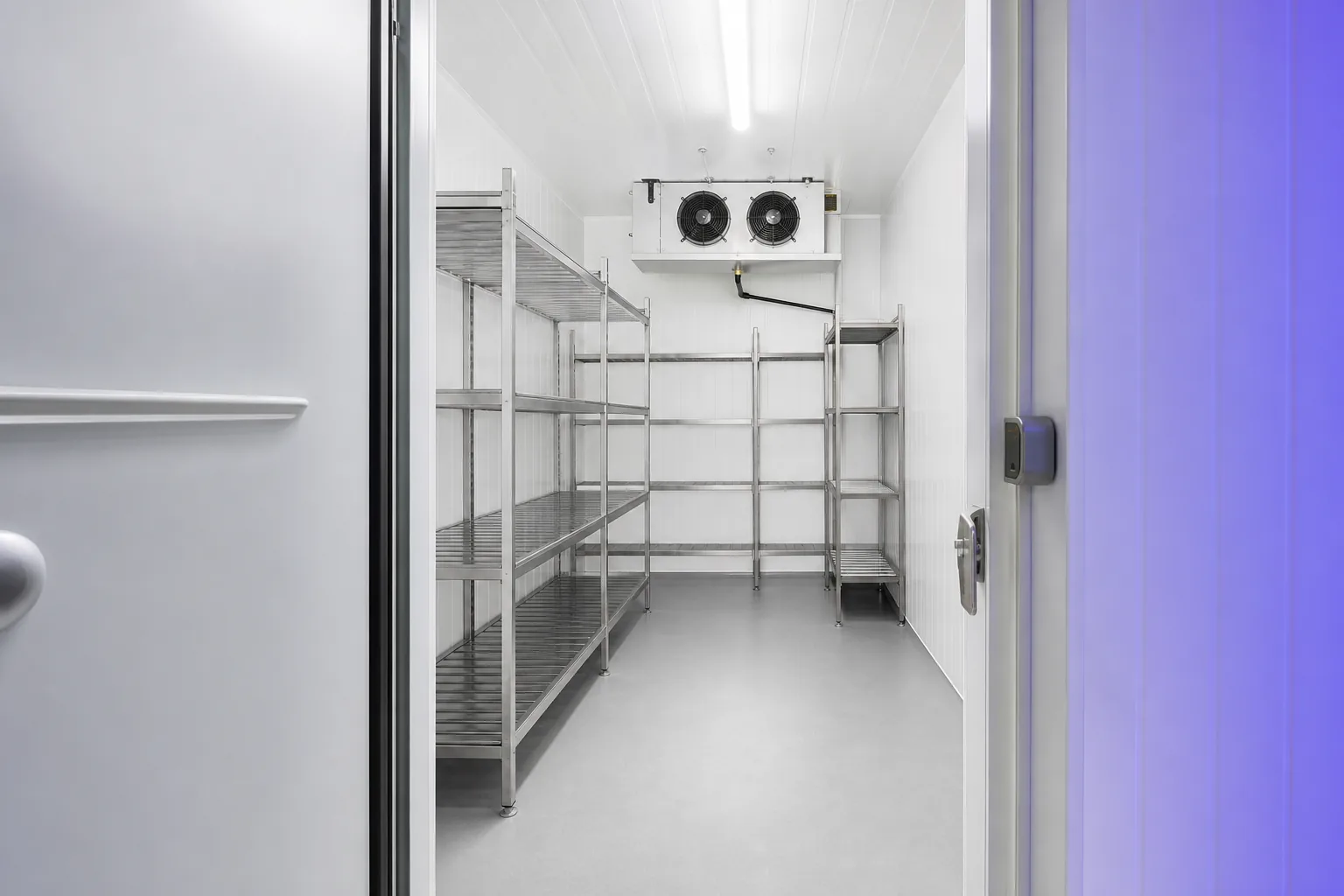
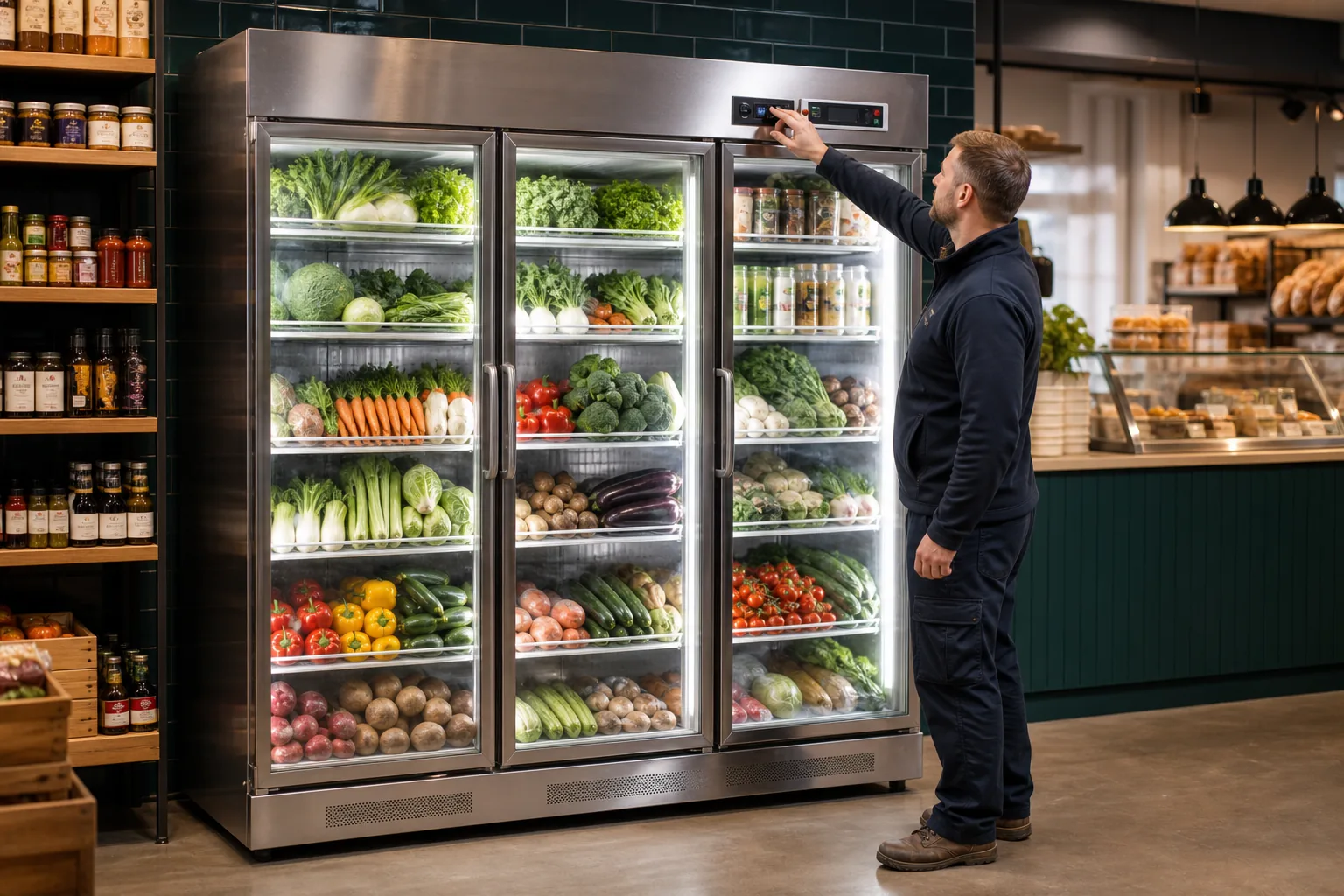
This guide explains the main points to consider before speaking to a refrigeration engineer. It is general information rather than a diagnosis or site-specific food-safety instruction.
Start with the operating need
Storage volume alone is not enough. Product type, pull-down demand, door opening and ambient conditions all influence selection.
Plan the full installation
Power, drainage, ventilation, delivery access, noise and ongoing service access should be considered before ordering.
Before you call
Build a short, accurate equipment record.
Note the target temperature, actual temperature, controller display, alarms, visible ice or water, unusual sounds and the approximate time the condition changed. Include the equipment make and model if accessible without removing covers.
When to request professional help
Rapid temperature rise, repeated alarms, electrical tripping, water leaks, burning smells, unusual noise or total loss of cooling need prompt assessment. Follow your site food-safety procedure and do not remove covers or alter refrigerant controls.
Getting a clear next step
Share the site postcode, equipment type, controller display, actual temperature, symptoms and when the problem began. Useful detail helps establish whether diagnosis, repair, maintenance or a site survey is required.
Record
Temperatures, alarms and when the change began.
Photograph
The controller, equipment and visible symptoms.
Protect
Follow your site food-safety and stock process.
Contact
Share the postcode, access and trading priorities.
Commercial refrigeration installation
New commercial refrigeration systems planned for the site, the product, operating pattern, access and lifecycle cost.
View the service →Reviewed for Top Local Refrigeration · General UK guidance for commercial premises.